
Dec
Weed Strains
13 Best Cannabis Strains for Anxiety — Based on Anxiety Type


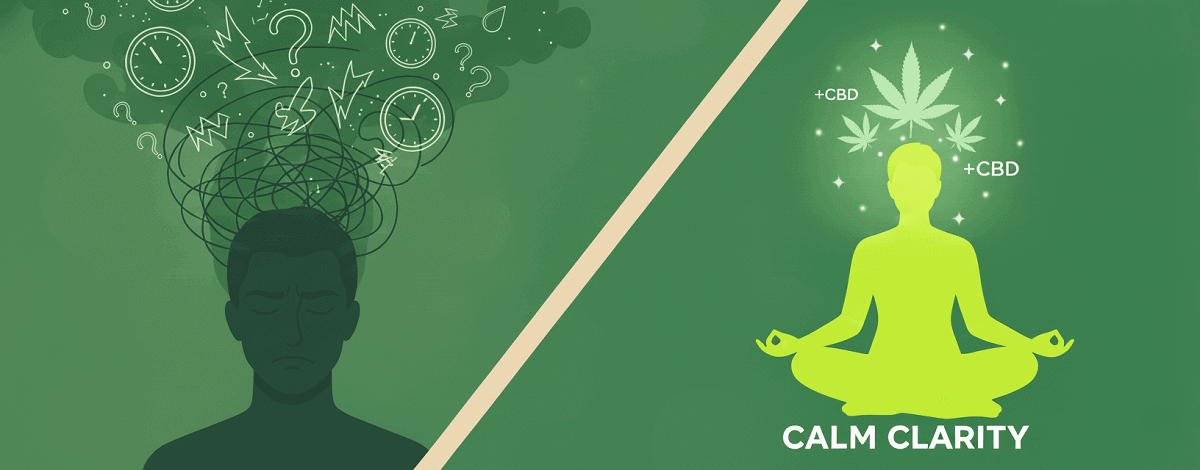
When you look for the best cannabis strains for anxiety and depression, you find articles that repeat the same predictable strains and the same shallow explanations. But anxiety itself is not generic and neither are the ways cannabis interacts with it. The best weed for anxiety is personalized. There is no universal strain. For many people, anxiety appears as restless thoughts, but others experience it as chest pressure, emotional instability, social fear, chronic worry, or nighttime overthinking. So the idea that one or two “top strains” can work for everyone simply doesn’t reflect how cannabis actually affects the human mind and body.
That’s why this guide is different.
Instead of repeating the same strains, you’ll learn how each cannabis strain fits a type of anxiety, using real-world experience + terpene psychology + flavor–emotion profiles.
This content is for informational and educational purposes only. It is not a substitute for professional medical advice, diagnosis, or treatment. Always consult a qualified healthcare provider before making decisions related to anxiety, cannabis use, or any other health matter. Do not ignore professional medical guidance because of information presented here. Cannabis use must comply with all applicable local, state, and national laws.
Best Strains of Weed for Anxiety — Based on Anxiety Type
The best weed for anxiety isn’t a single strain. It is a category of strains matched to what your anxiety actually feels like. Instead of trying to label one strain as “the best,” the smarter approach is to understand how different cannabis expressions interact with your anxiety type.
a) Best Strain for Racing Thoughts & Overthinking
Overstimulated minds seeking relief from racing thoughts should look for CBD-dominant or balanced strains. The goal is mental modulation, not sedation, using terpenes like caryophyllene and linalool to soften mental chatter and promote a quieter, clearer headspace. Some famous strains:
1. Cannatonic
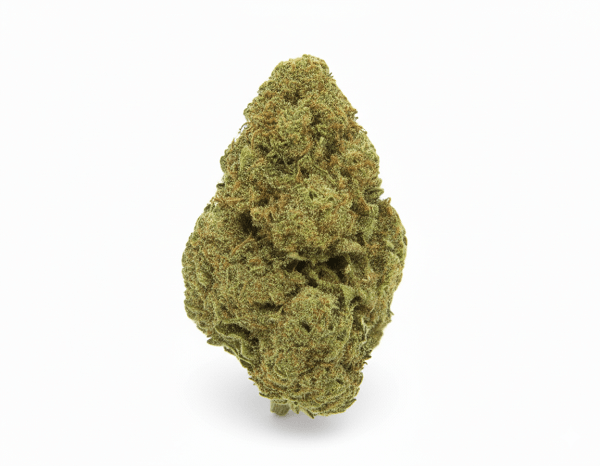
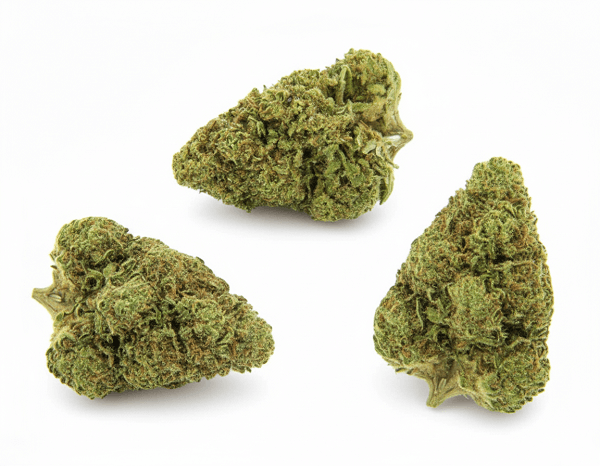
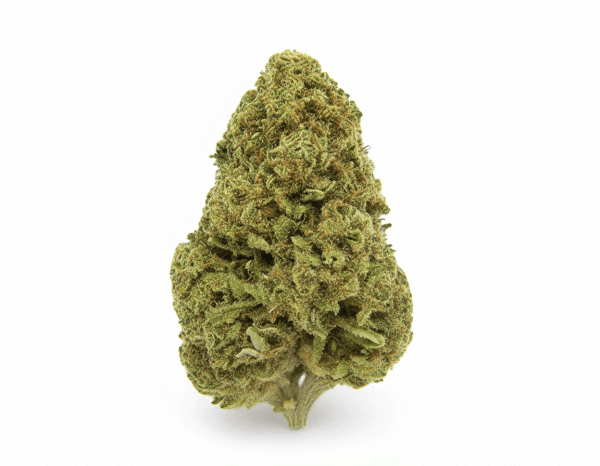
Cannatonic is considered one of the best weed strains for anxiety due to its calm-but-clear CBD-dominant or balanced CBD:THC ratio, typically around 1:1 to 2:1 in favor of CBD.
With a low THC percentage (typically 4–8%) and a high CBD percentage (10–17%), the high CBD content expertly moderates THC’s effects, preventing the stimulation that can trigger anxiety.
Its dominant terpenes are primarily Myrcene, Limonene, and Pinene. This combination works synergistically to stabilize the mind, gently softening mental chatter and providing a clear-headed calm without causing sedation or mental fogginess, making it excellent for functional daytime use.
Many consumers find this cultivar helps with symptoms of anxiety and depression.
2. Hindu Kush
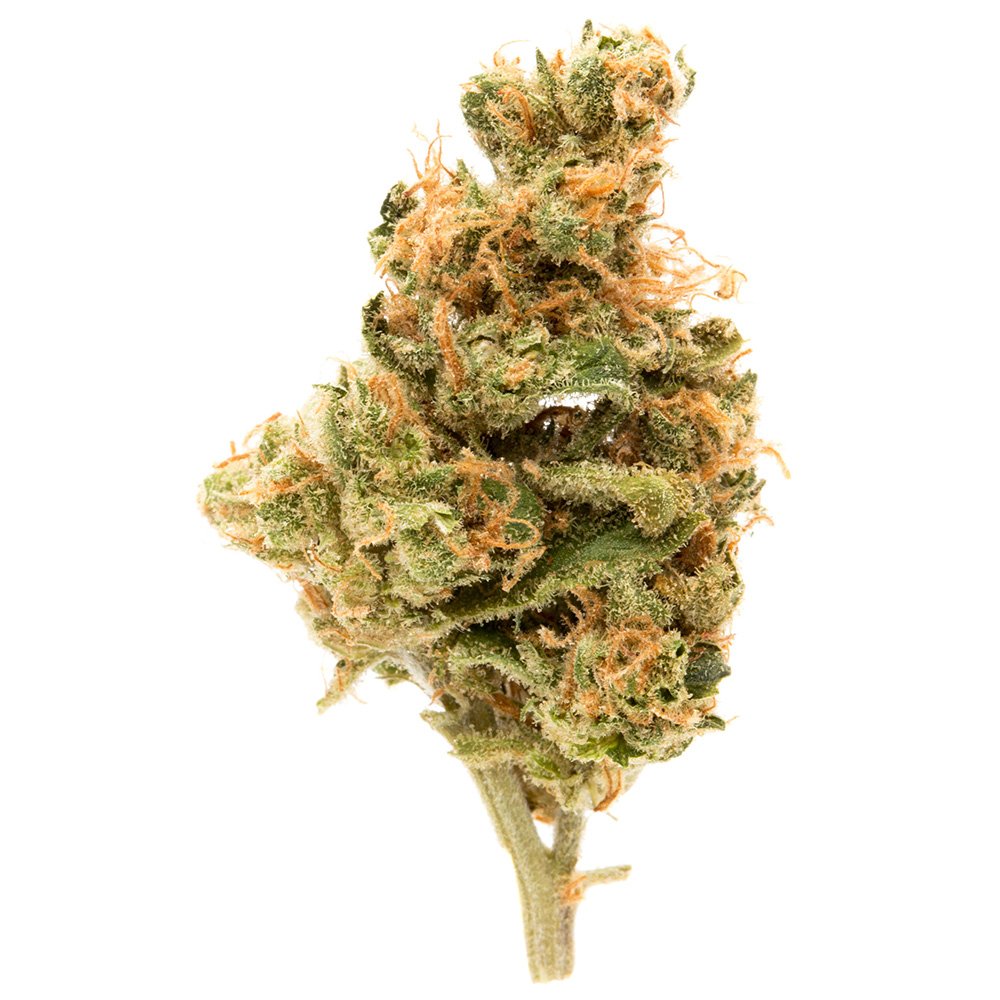
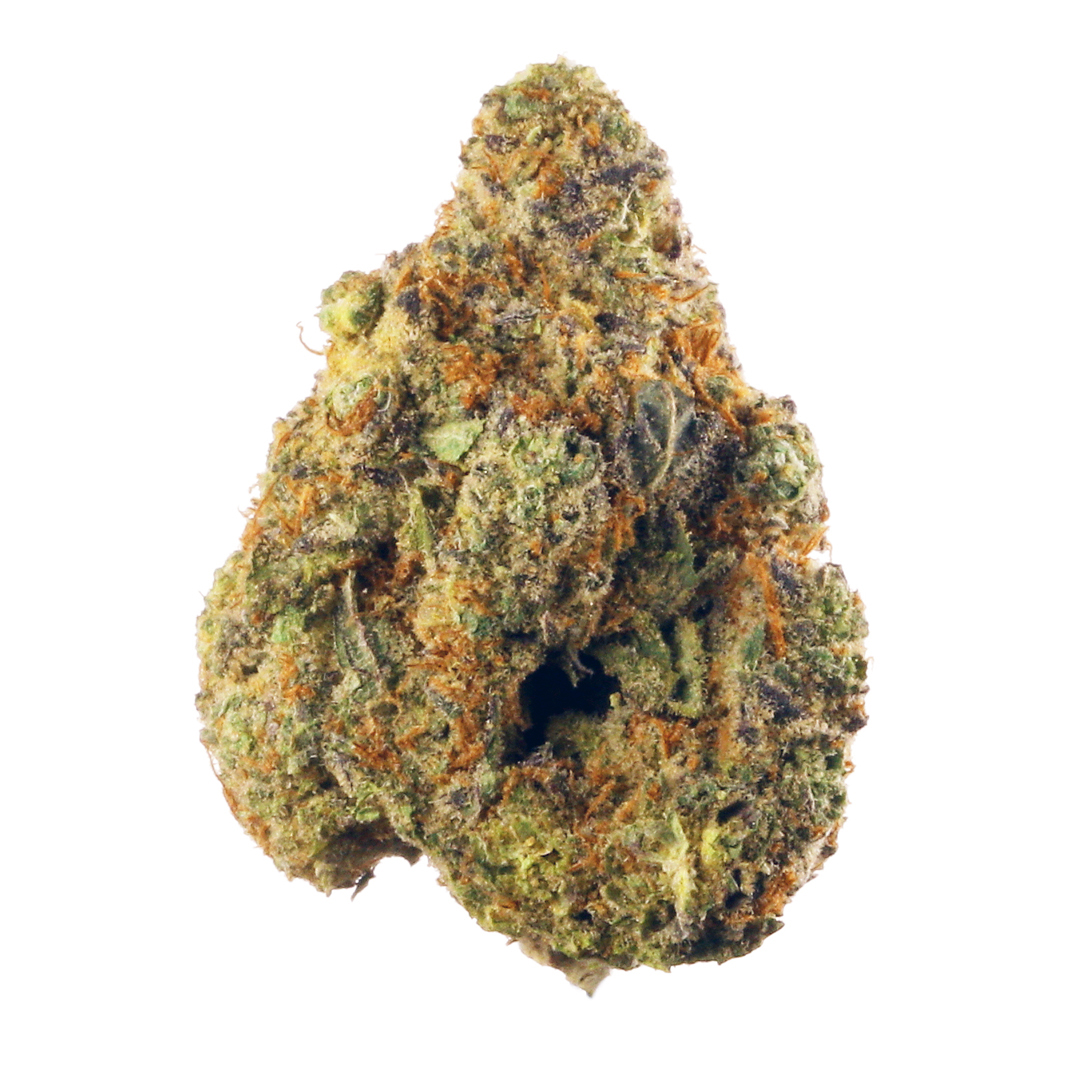

Hindu Kush is known for its pure indica heritage and deeply centering, mentally-calming effects, often exhibiting a THC:CBD ratio of 20:1 or higher.
With a moderate-to-high THC (15–20%+) and low CBD (typically <1%), its powerful psychoactivity is often reported to soothe the mind by helping to temper mental chatter and ease racing thoughts.
Dominant terpenes like β-Myrcene, α-Pinene, and Limonene promote a tranquil state, offering deep relaxation and easing full-body tension without the immediate, heavy sedation common to other indicas.
3. Harlequin (Low THC Batch)


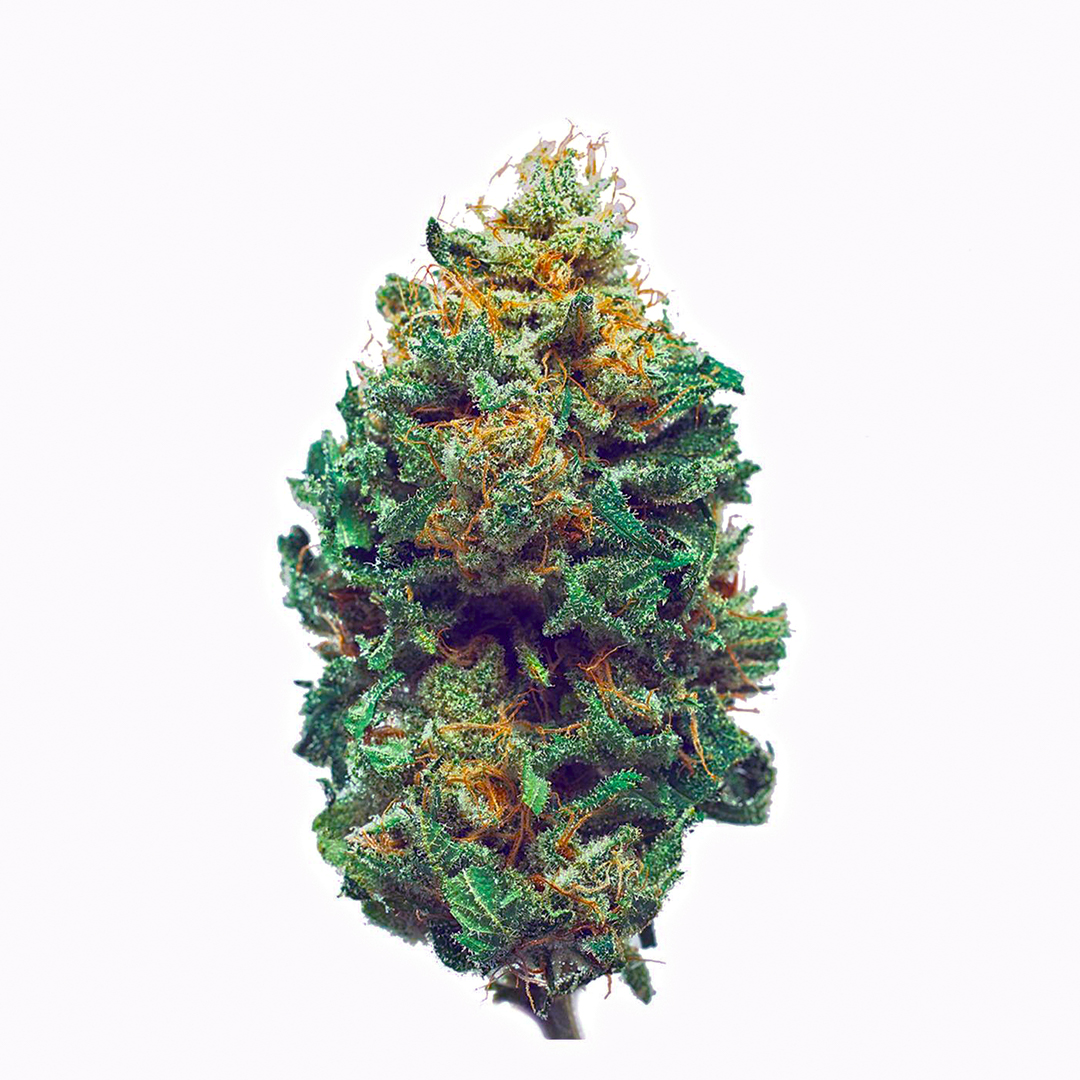
Harlequin is known for its calm-but-clear CBD-dominant ratio, often 5:2 CBD:THC or higher.
With a low THC (4–8%) and high CBD (8–15%), the CBD reliably prevents anxious stimulation. Dominant terpenes like Myrcene, Pinene, and Caryophyllene promote a clear-headed, functional uplift, reducing anxious thoughts while maintaining focus without sedation or paranoia.
b) Best Strains for Depression and Anxiety
Choosing the best strain of weed for anxiety and depression requires caution. Anxiety can make your thoughts race while depression dulls your motivation. If you use overly sedating strains, your mood may drop. If you use overly energizing strains, your anxiety may spike. The right strain must lift the spirit while calming the nervous system — a delicate balance. Some strains are:
4. Bubba Kush

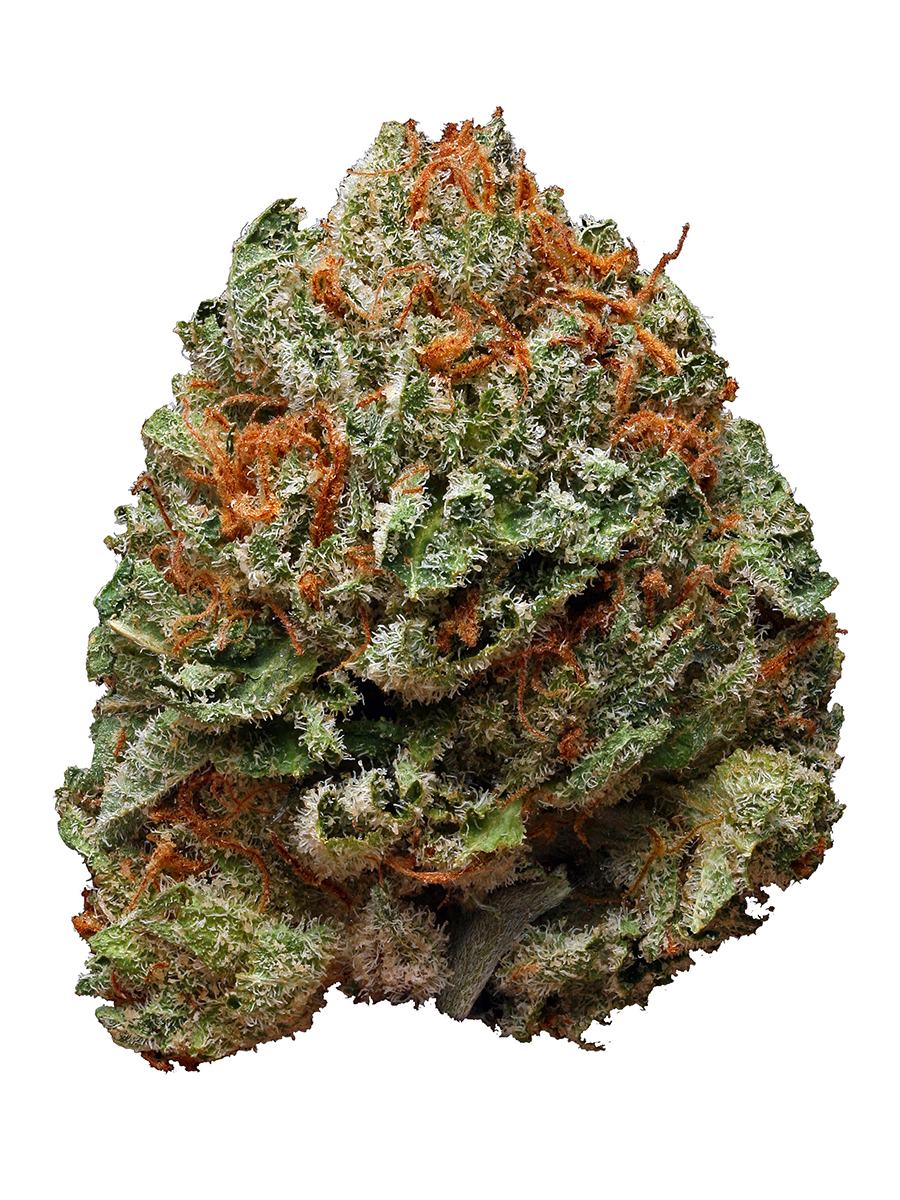
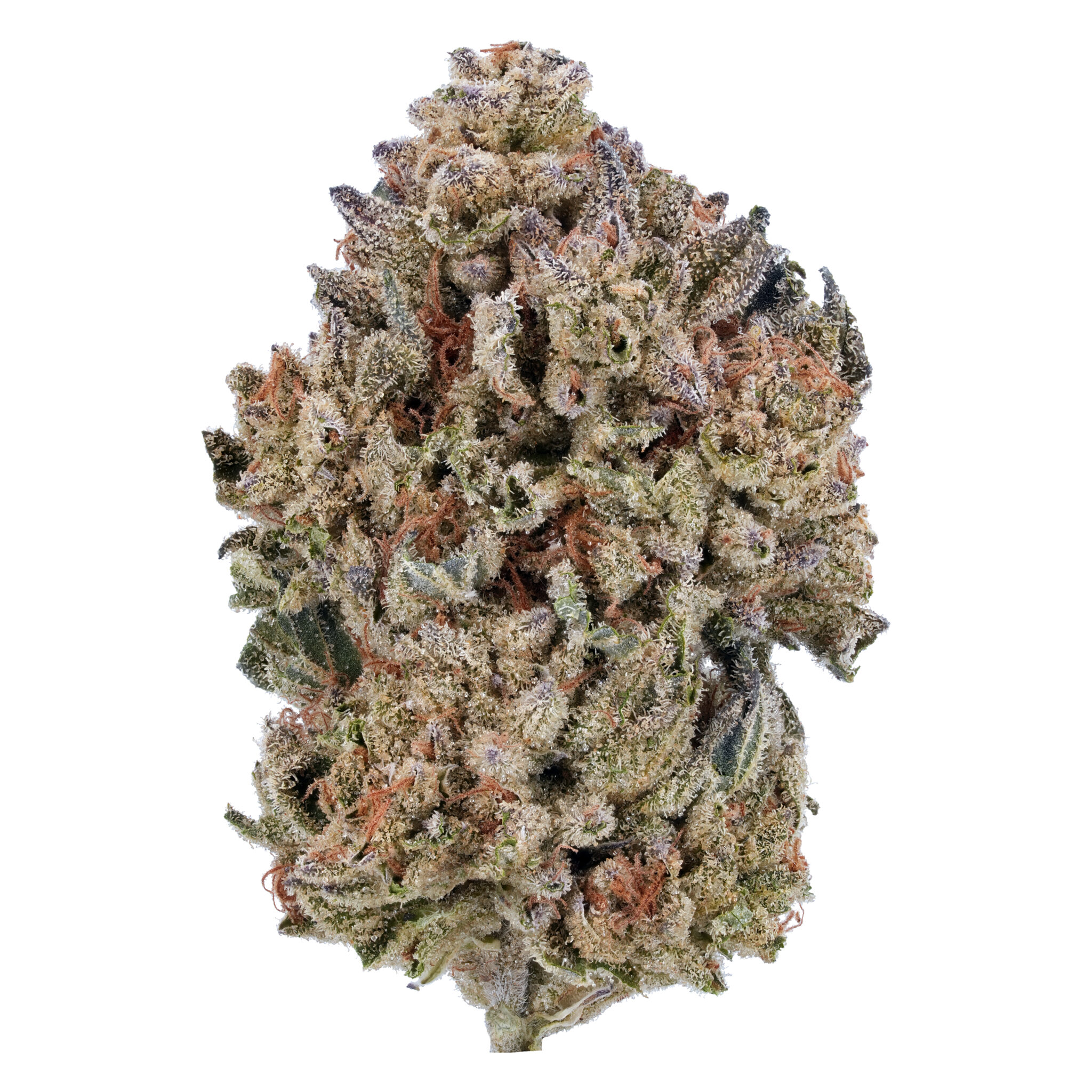
Bubba Kush is a potent, heavy indica cultivar, widely recognized for its intensely calming and sedative properties, typically exhibiting a THC:CBD ratio of 25:1 or higher.
With high THC (averaging 18–25%+) and low CBD (typically <1%), its profile is known to induce profound physical relaxation. Dominant terpenes like Caryophyllene, Myrcene, and Limonene contribute to a profile that promotes powerful tranquility and body ease.
This strain is often associated with the alleviation of physical tension and discomfort, and is a popular choice among enthusiasts seeking relief from feelings of stress or low mood.
5. Blueberry Kush

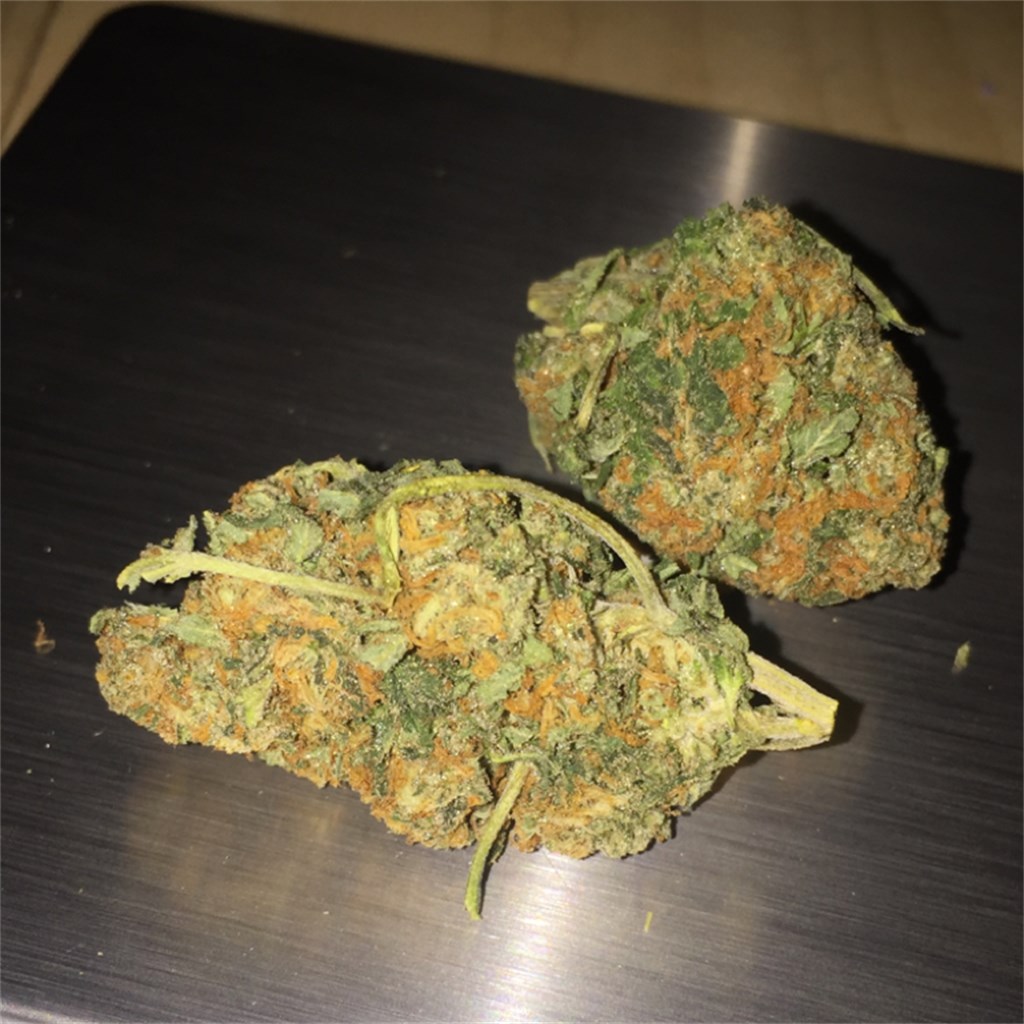

Blueberry Kush is a potent, Indica-dominant cultivar, known for its deeply relaxing effects and high THC concentration, typically featuring a THC:CBD ratio of 20:1 or higher.
With high THC (averaging 17–25%) and low CBD (<1%), its profile is known to induce a heavy, full-body tranquil state. Dominant terpenes like Myrcene, Pinene, and Caryophyllene contribute to a profile that promotes profound physical ease and sedation.
Many users and connoisseurs consider this strain a benchmark for deep physical relaxation and report it is often sought after to help with feelings of low mood or distress.
6. Blue Dream (CBD Variant)
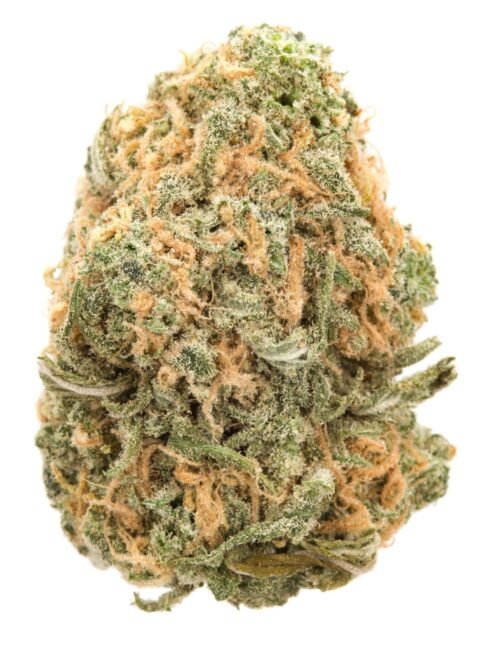
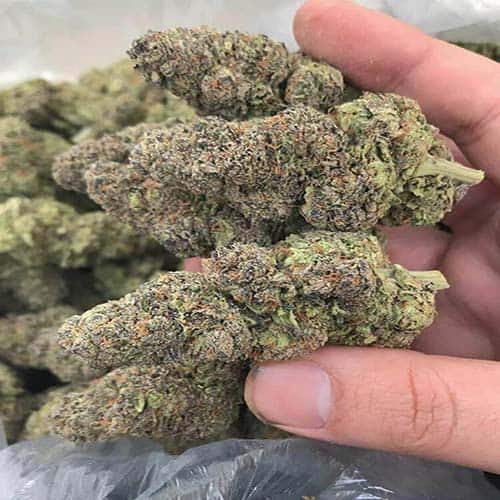
Blue Dream (CBD Variant) is a well-balanced hybrid often sought after by users for managing feelings of anxiety and low mood, celebrated for its clarity and functional euphoria, often featuring a CBD-dominant or balanced 1:1 ratio.
With moderate percentages of both CBD and THC (typically 8–15% each), its balanced profile promotes a clear, uplifting mental state and is often associated with enhanced motivation and focus with minimal fogginess. Dominant terpenes like Myrcene, Pinene, and Caryophyllene contribute to a smooth experience associated with physical relief and mental uplift.
This variant is highly valued by users seeking the iconic Blue Dream experience without the intensity of a high-THC profile.
7. Berry White
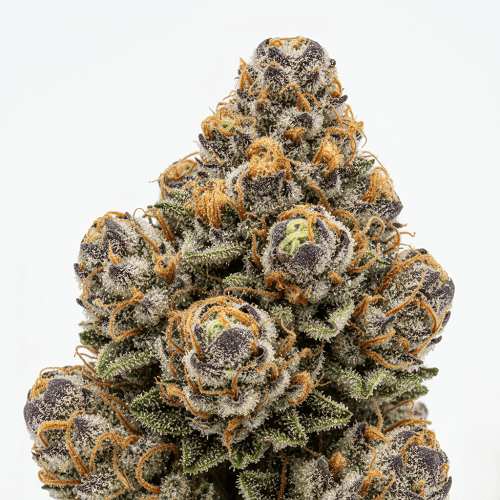
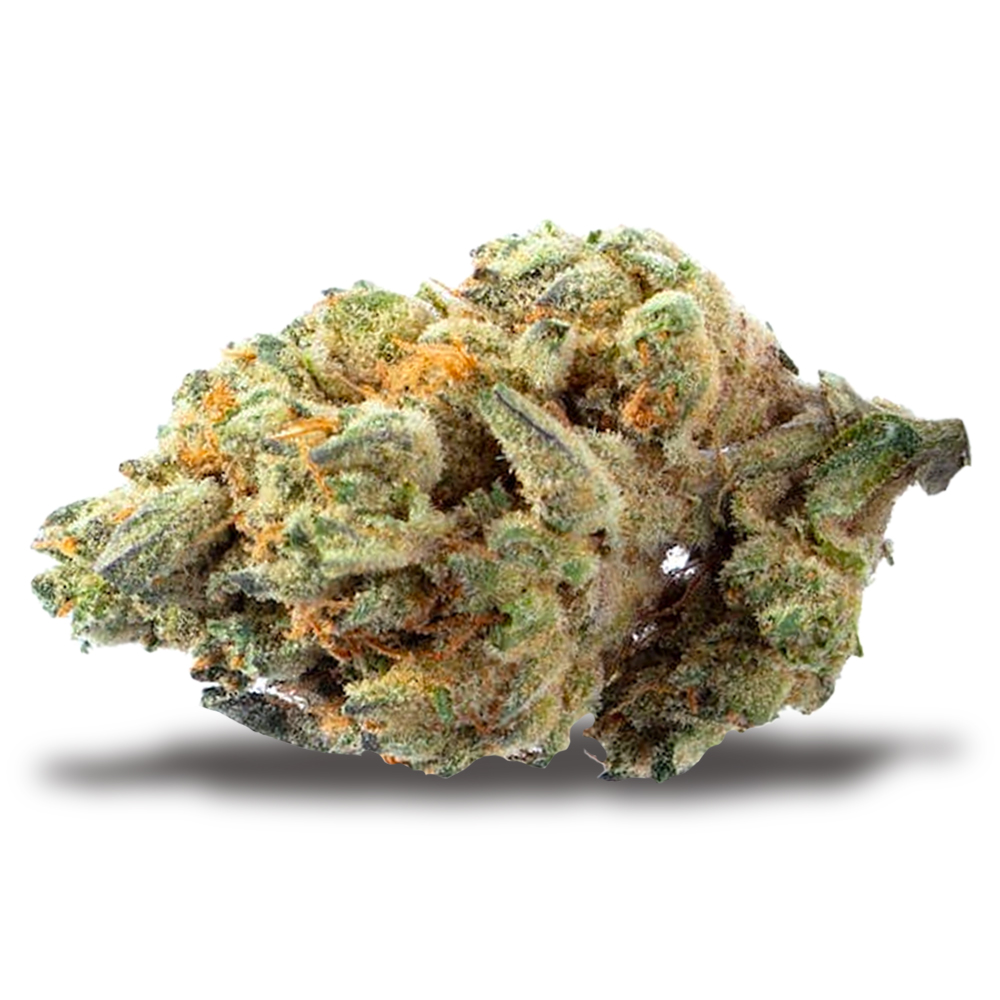
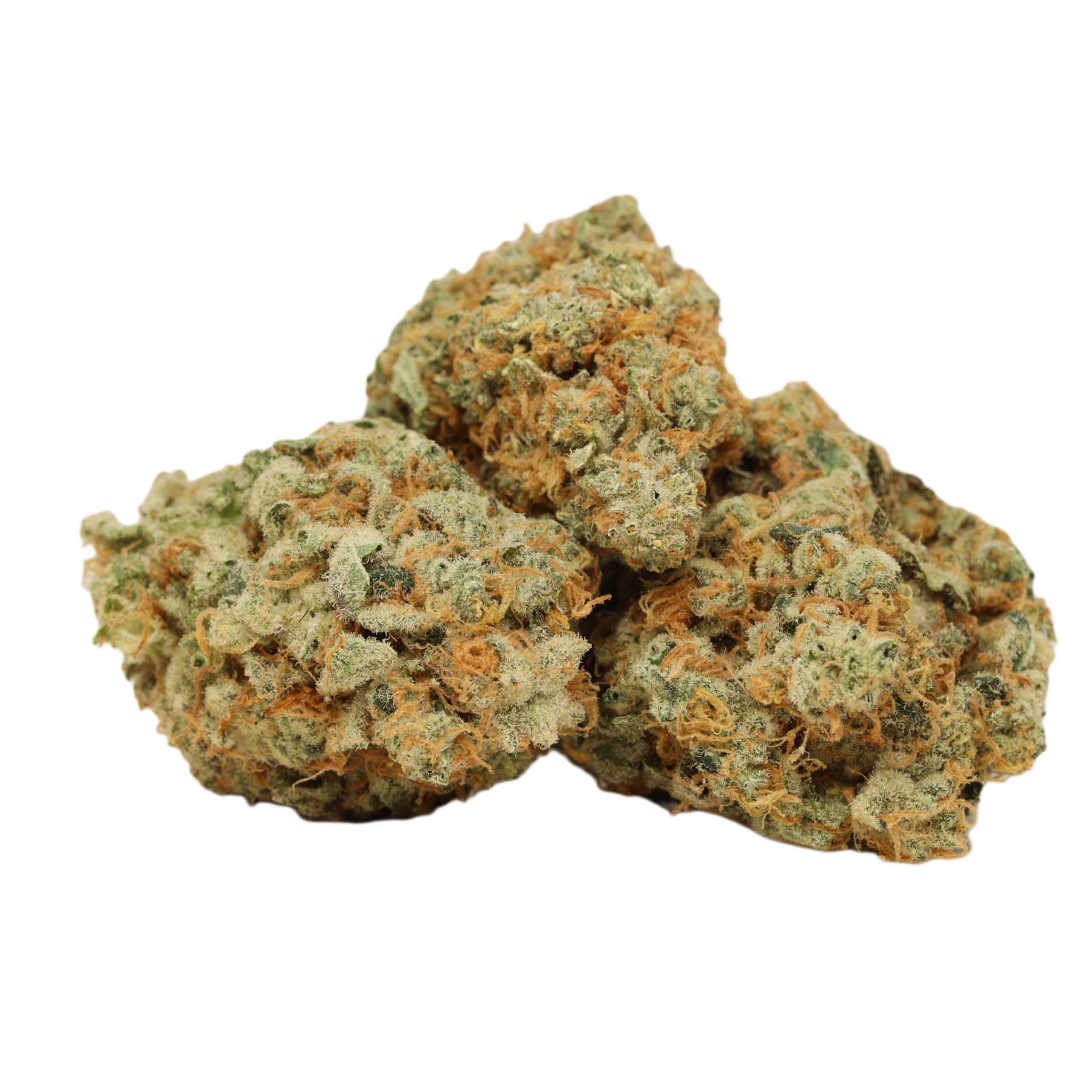
Berry White is a popular hybrid known for delivering a balanced, euphoric experience, typically featuring a THC:CBD ratio of 15:1 or higher.
This strain is often reported to be effective for both depression and anxiety. This is chemically plausible because Berry White contains D-Limonene and THC. Research has shown that, when combined, these compounds significantly reduce participant reports of feeling 'anxious/nervous' and 'paranoid.
With moderate-to-high THC (averaging 15–22%) and low CBD (typically <1%), its profile is known to induce a pleasant euphoria alongside physical relaxation. Dominant terpenes like Myrcene, Limonene, and Caryophyllene contribute to a smooth mental uplift and a powerful sense of ease. Many users and connoisseurs consider this strain a favorite for promoting creative energy and comfortable social interaction.
8. Pineapple Tonic
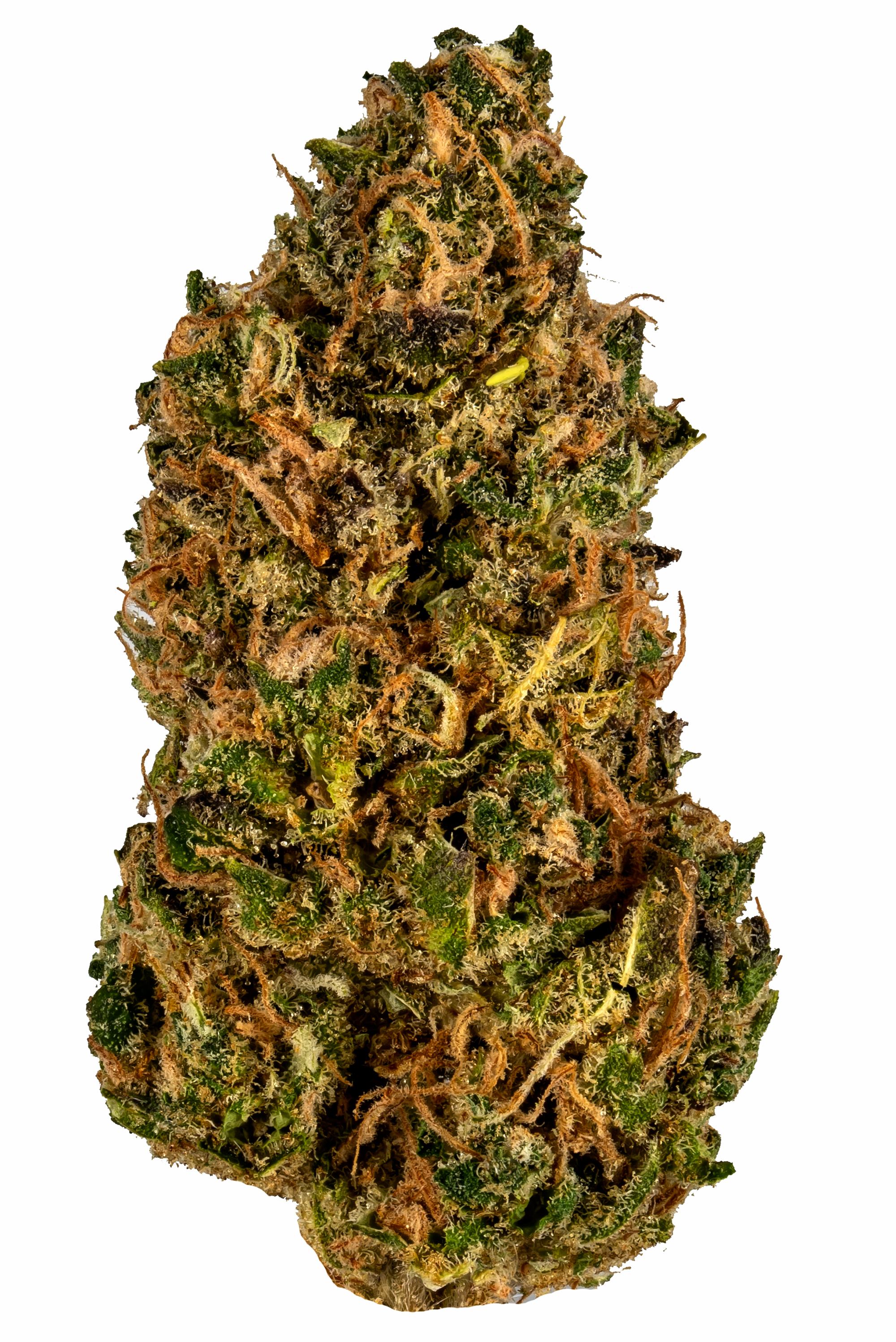
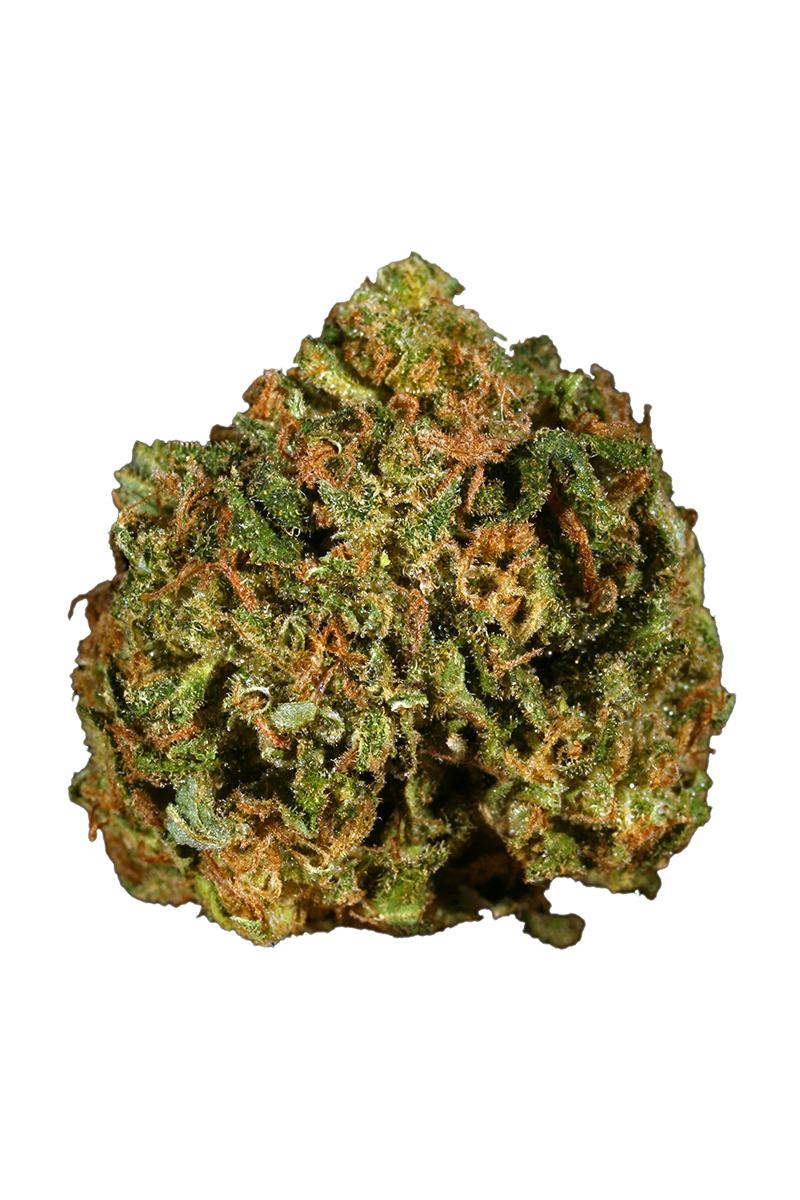
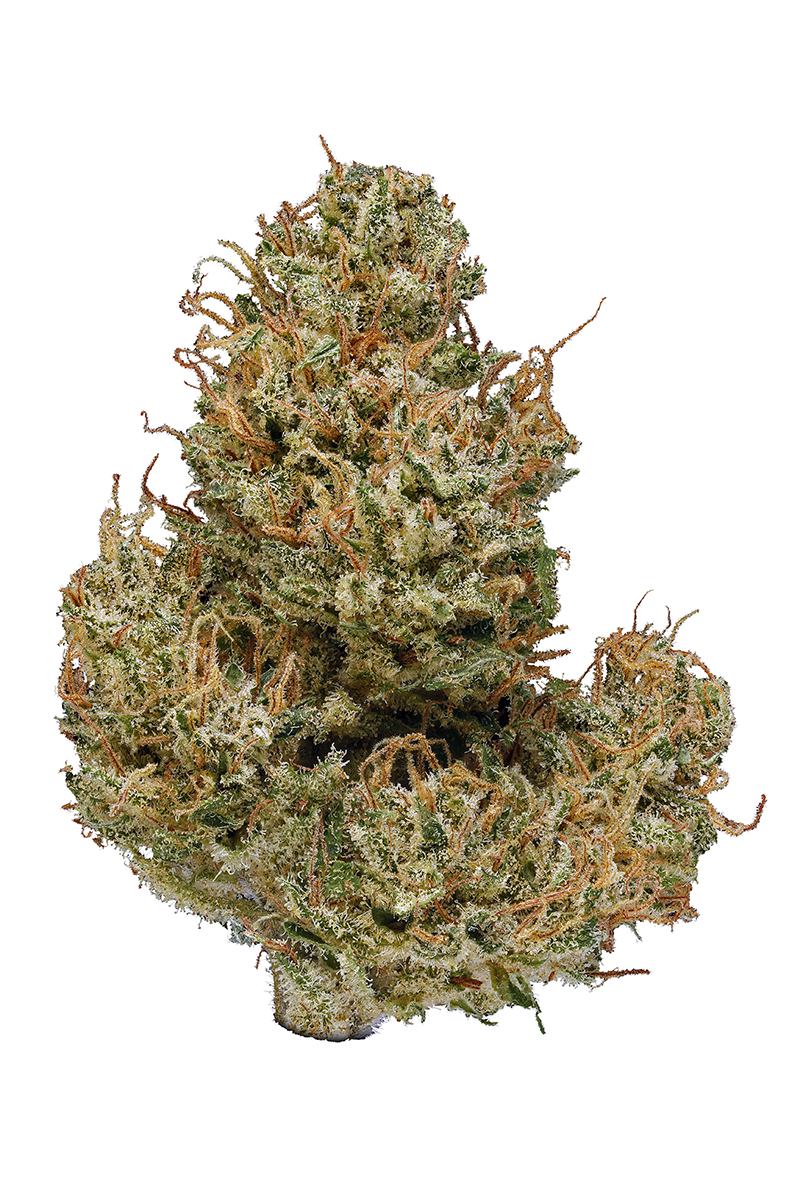
Pineapple Tonic is a high-CBD hybrid often prized for its smooth, functional effects and significant CBD concentration, typically featuring a CBD:THC ratio of 1:1 or higher in favor of CBD.
With moderate-to-high CBD (8–14%) and low-to-moderate THC (typically 6–10%), its balanced profile allows for a clear-headed mental state while promoting physical ease. Dominant terpenes like Myrcene, Pinene, and Limonene contribute to an uplifting, mood-balancing experience.
Users report that it provides a mellow, uplifting buzz that leaves them clear-headed and relaxed, making it popular for daytime medicating without the heavy sedation ("couch-lock") of the heavy Indica strains.
c) Best Strains for Nighttime Anxiety & Sleep
Nighttime anxiety often shows up differently from daytime stress. The world becomes quiet, and the mind becomes loud. People may replay events, worry about tomorrow, or feel a general sense of unease for no clear reason. The best strains of weed for anxiety at night are those that combine body relaxation with emotional softness. Some are:
9. Granddaddy Purple
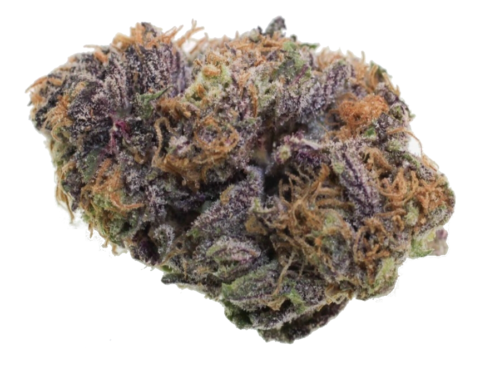
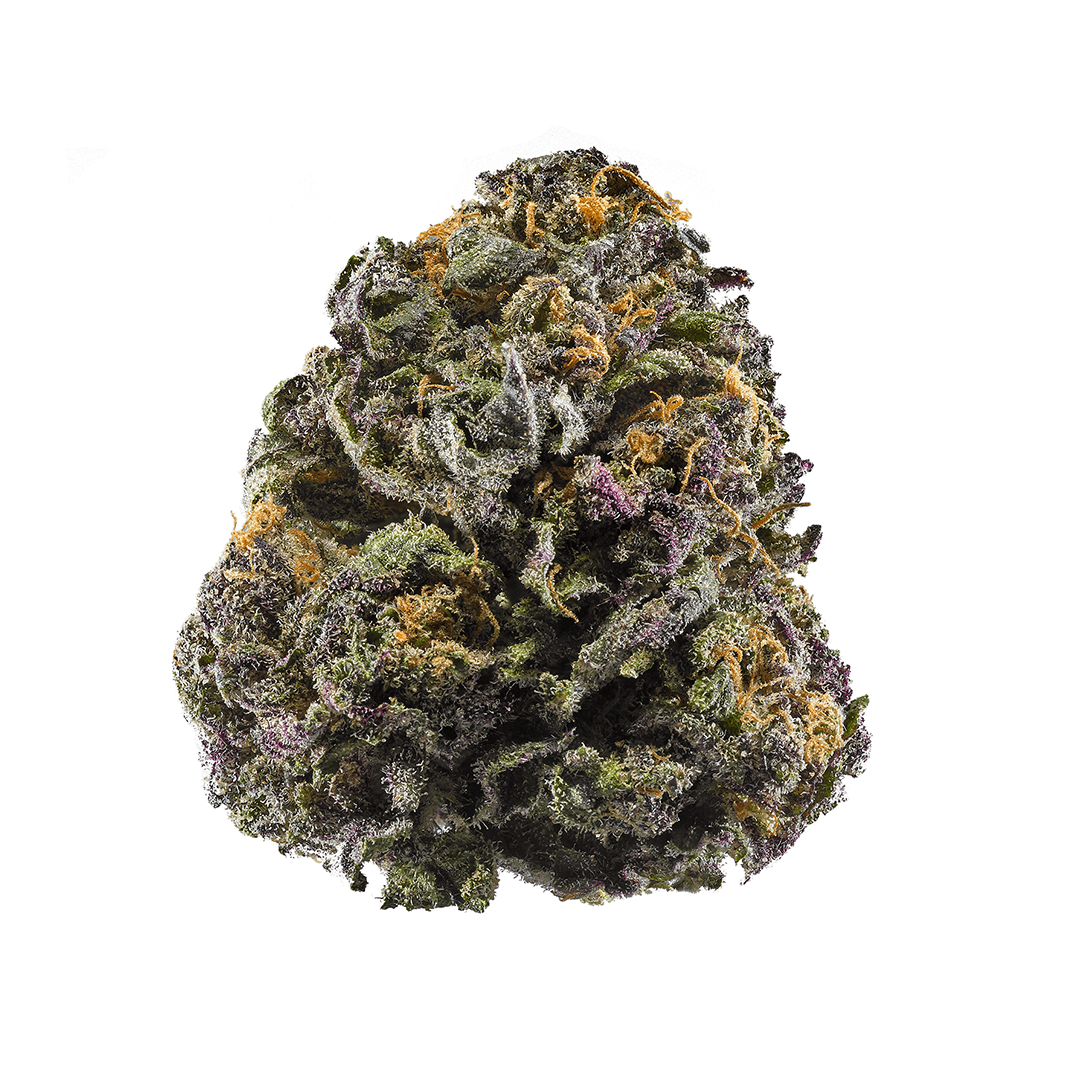

Granddaddy Purple (GDP) is a famous Indica cultivar distinguished by its deeply relaxing, physically heavy effects and vibrant colors, featuring a THC:CBD ratio of 20:1 or higher.
With high THC (averaging 17–23%) and low CBD (typically <1%), its profile is known to induce a heavy, soothing calm across the entire body. Dominant terpenes like Myrcene, Pinene, and Caryophyllene contribute to a potent wave of tranquility that targets physical discomfort and restlessness.
This strain is a classic recommendation for managing physical tension and establishing a smooth transition into sleep.
10. Blackberry Kush
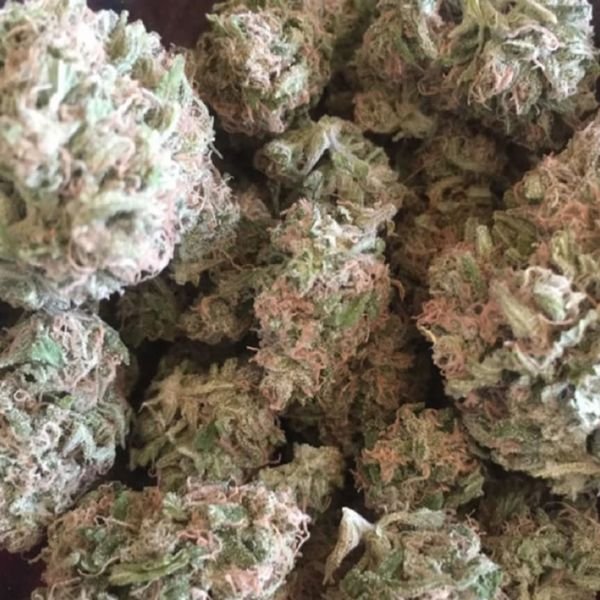

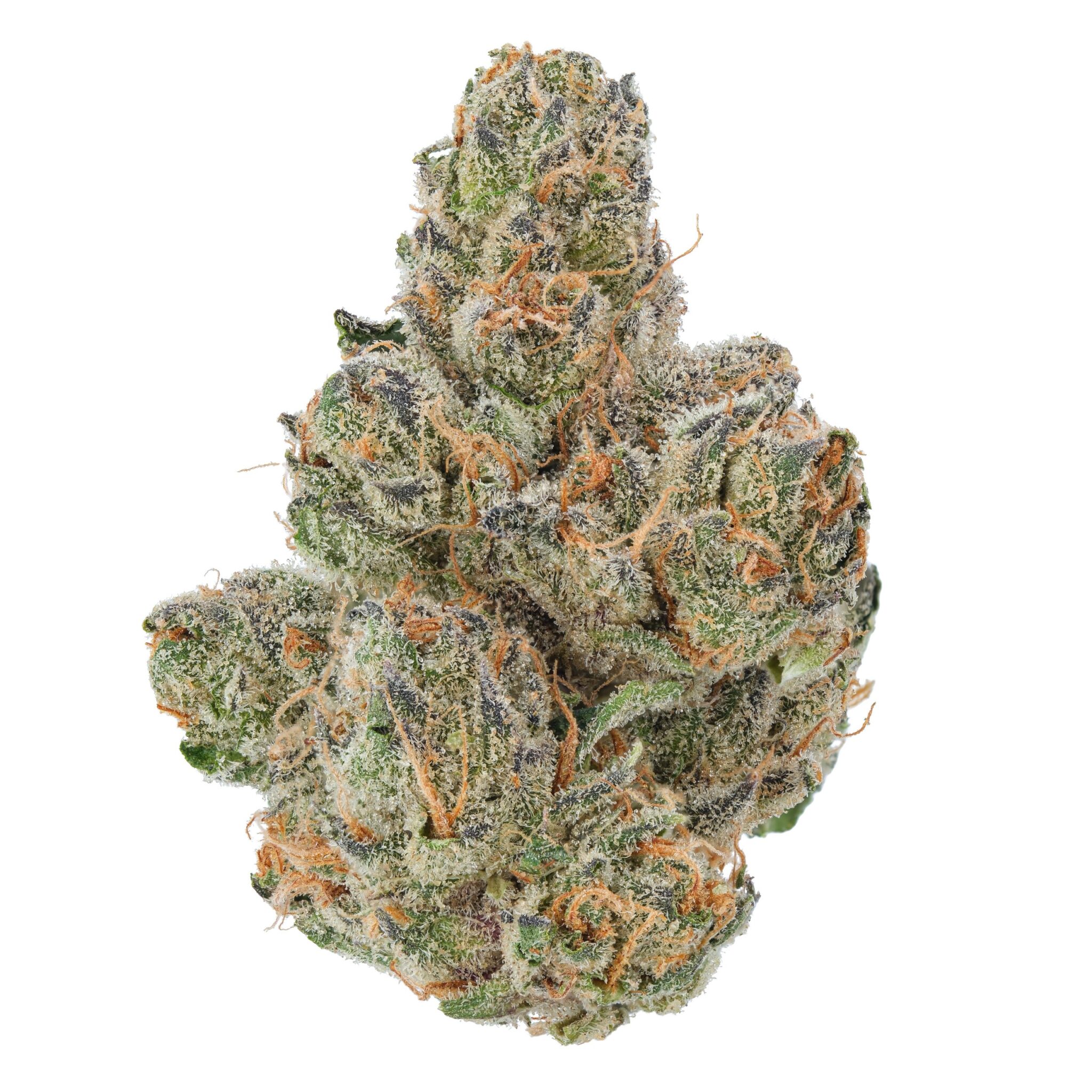
Blackberry Kush is a heavy Indica cultivar known for its potent sedation and mood-calming effects, typically featuring a THC:CBD ratio of 25:1 or higher.
With high THC (averaging 18–25%+) and low CBD (typically <1%), its profile reliably induces a deep, physical body-lock often sought after for managing severe physical restlessness. Dominant terpenes like Myrcene, Caryophyllene, and Limonene contribute to a profound tranquilizing effect.
Many users and connoisseurs consider this strain a powerful option for alleviating anxious physical tension and promoting reliable, deep sleep.
11. Afghan Kush
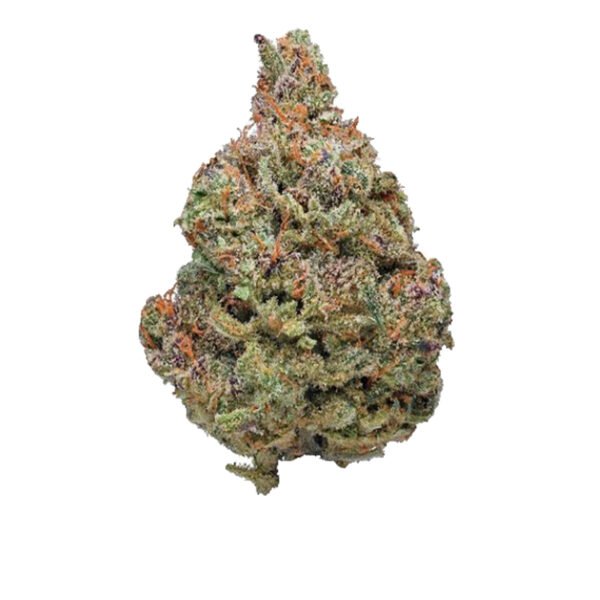
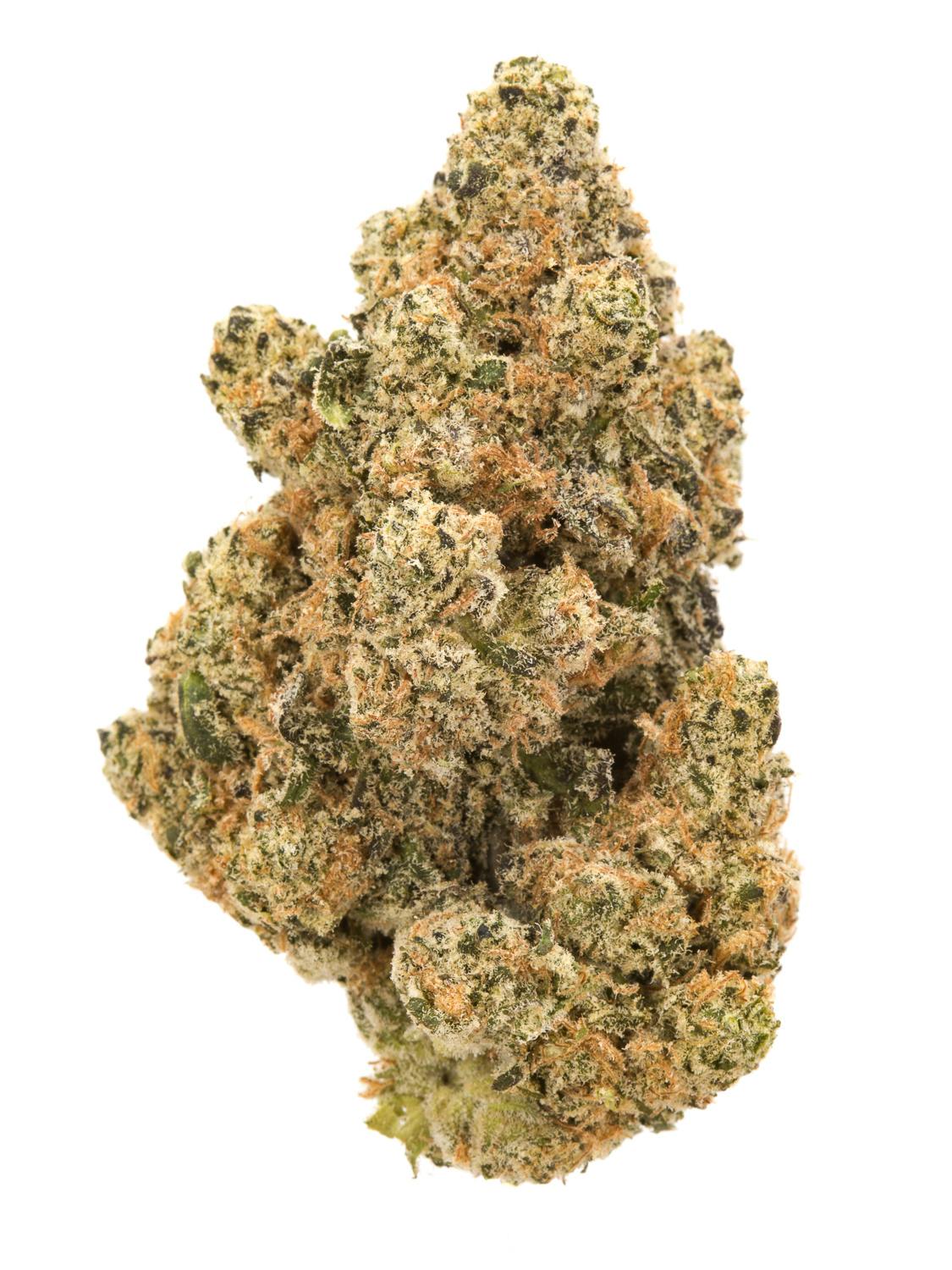

Afghan Kush is a classic, pure Indica landrace strain prized for its extremely heavy, full-body tranquilizing effects, featuring a THC:CBD ratio of 30:1 or higher.
With high THC (averaging 17–22%+) and low CBD (typically <1%), its profile is known to induce immediate and powerful physical sedation. Dominant terpenes like Myrcene, α-Pinene, and β-Pinene contribute to an intense calming effect that quiets both the mind and body.
This strain is a benchmark choice among users seeking effective relief from physical discomfort and prompt initiation of sleep.
12. Northern Lights
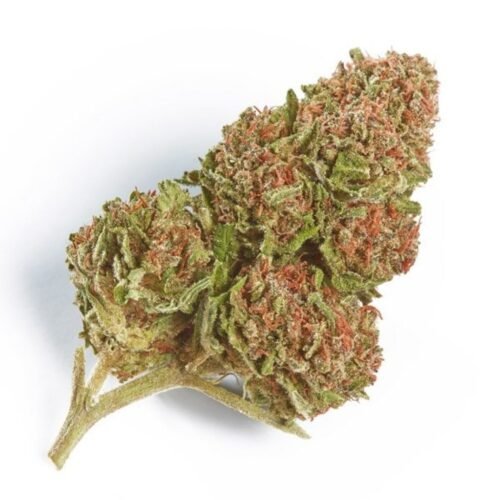

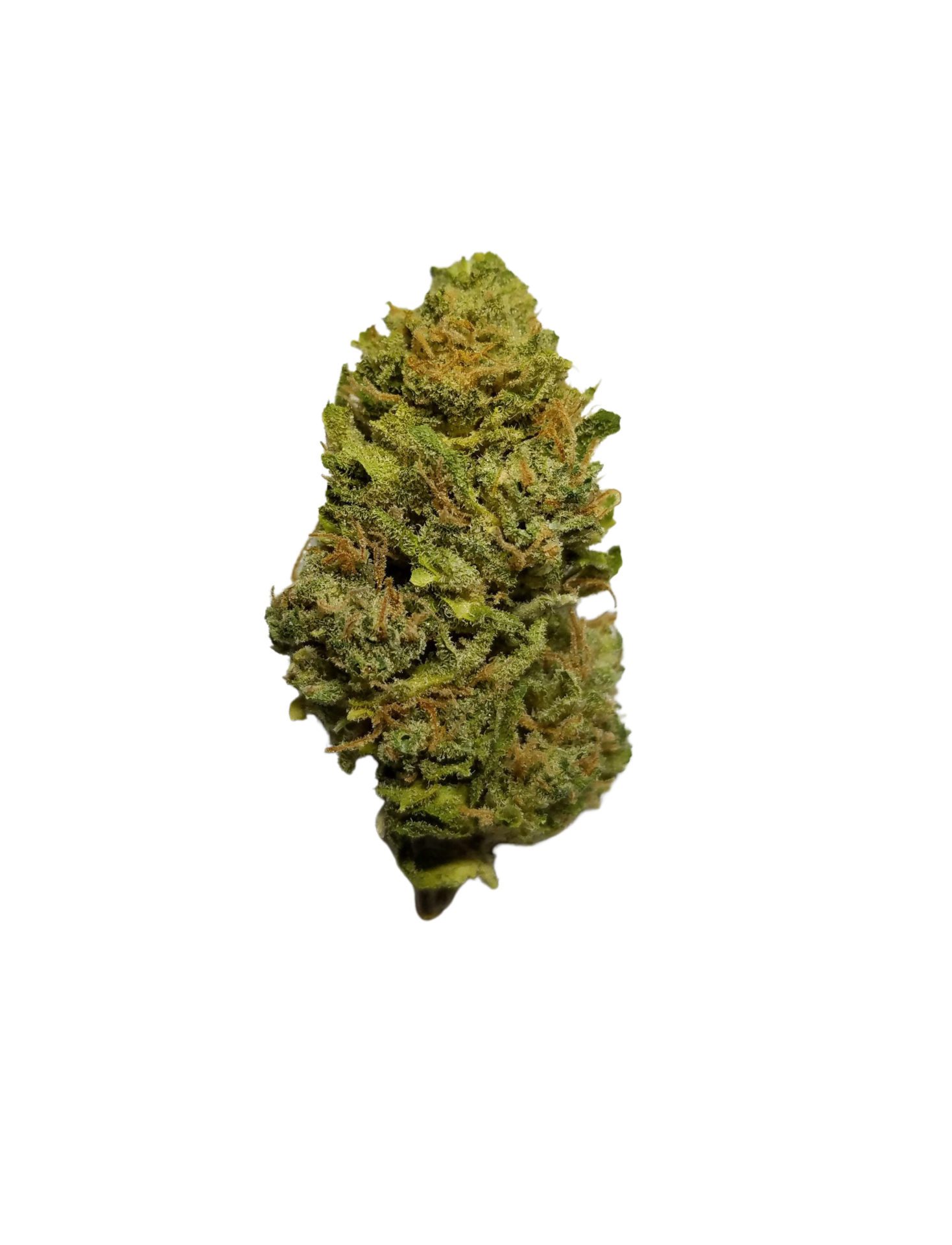
Northern Lights is a renowned, near-pure Indica strain celebrated for its reliable and dreamy physical relaxation, typically featuring a THC:CBD ratio of 20:1 or higher.
With high THC (averaging 16–21%) and low CBD (typically <1%), its profile promotes deep muscular relaxation and gentle mental euphoria. Dominant terpenes like Myrcene, Caryophyllene, and Limonene contribute to a comforting, heavy sensation that melts away physical tension.
Connoisseurs consider this a timeless choice for easing nighttime mental chatter and achieving sustained, restful sleep.
13. Skywalker OG Kush
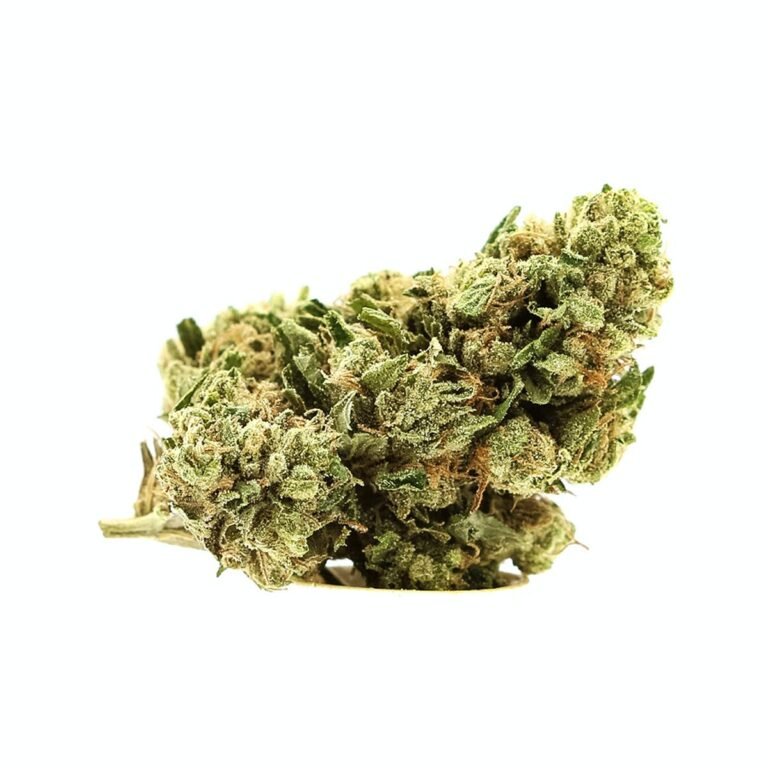
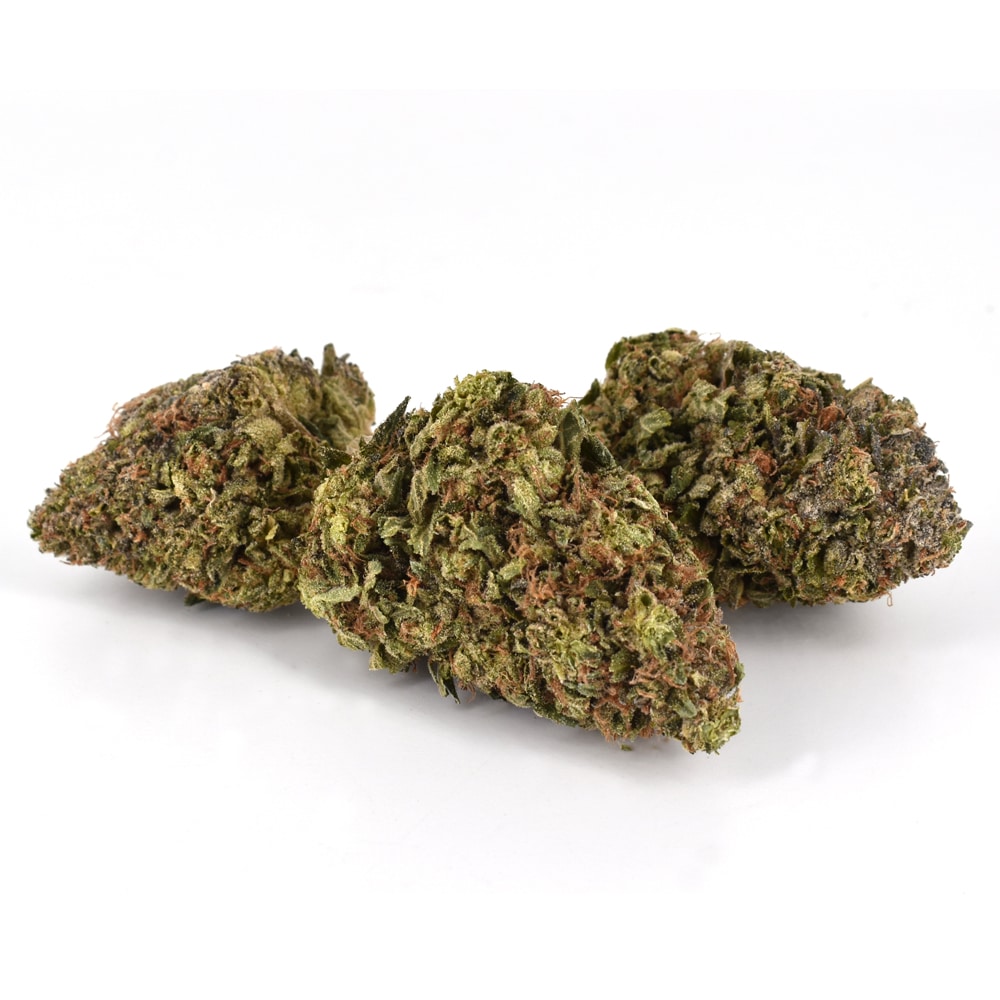
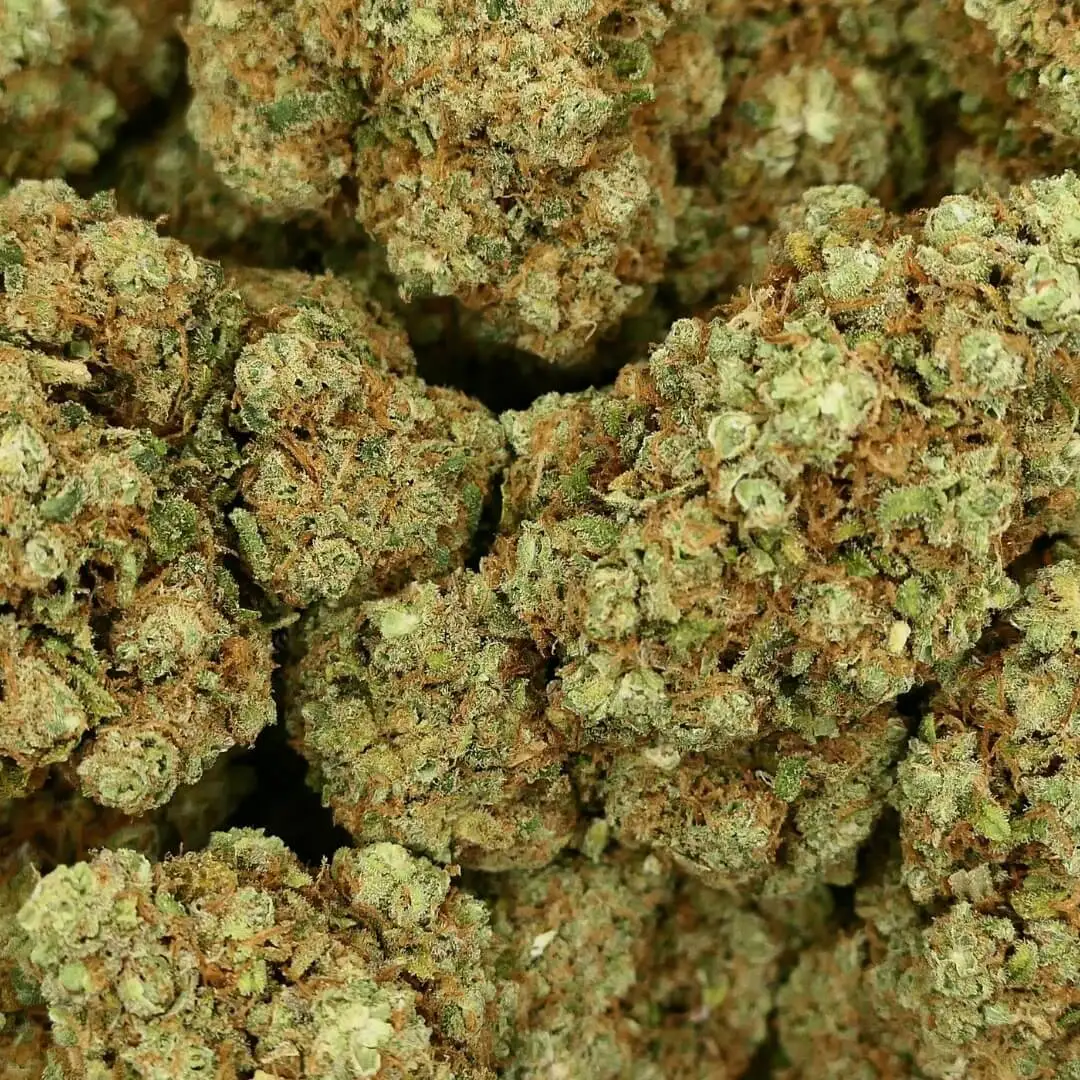
Skywalker OG Kush is a potent Indica-dominant hybrid recognized for its powerful, fast-acting couch-lock effects, typically featuring a THC:CBD ratio of 25:1 or higher.
With very high THC (averaging 20–26%+) and low CBD (typically <1%), its intense profile is known to quickly subdue mental activity and lock the user into deep relaxation. Dominant terpenes like Myrcene, Limonene, and Caryophyllene contribute to a profound sedative experience that targets both mental and physical agitation.
Users often seek this strain for its potent ability to halt racing thoughts and facilitate powerful, uninterrupted sleep.
Why These Strains Work with Anxiety: Terpenes, Not THC Alone
THC and CBD get all the attention, but they’re only two players in a much larger chemical orchestra. Most blogs fail to explain why cannabis helps anxiety in some people and worsens it in others. The key factors:
- Terpenes, for instance, profoundly influence emotional reactions.
- Linalool resembles the calming scent of lavender.
- Myrcene produces physical heaviness associated with sleep.
- Limonene triggers mood elevation and comfort.
- Caryophyllene may influence receptors responsible for emotional balance.
When these terpenes combine with specific THC/CBD ratios, the emotional tone of the strain changes completely.
A key review by Dr. Ethan Russo shows that terpenes and cannabinoids work together to shape a strain’s overall “emotional tone.” The paper suggests that terpenes like limonene, linalool, and α-pinene can reduce THC-related anxiety and paranoia while boosting therapeutic effects.
Another preclinical research supports Linalool's calming effect by showing that its vapor reduces anxiety and fear behaviors in mice, acting through the GABAergic system—the brain's inhibitory system targeted by anti-anxiety drugs.
A study in mice demonstrated that $beta$-Myrcene, in high doses, exhibited sedative effects by potentiating the action of barbiturates (sleep aids). This links Myrcene chemically to a relaxing, sedating effect that users report as physical heaviness or sleepiness.
Another study supports the idea that limonene promotes mood elevation and a sense of comfort. This human trial provides strong evidence that limonene can actively influence emotional responses—specifically by reducing THC-related anxiety and paranoia. This explains why limonene-rich strains are often experienced as calming and mood-boosting.
One more study found that β-Caryophyllene directly activates CB2 receptors, which help regulate emotional states. In mice, it produced strong anti-anxiety and antidepressant-like effects.
User sensitivity plays a large role too. People who are naturally sensitive to psychoactive changes tend to do better with CBD-dominant strains. Those with high tolerance or frequent use often require more nuanced combinations of THC and terpenes to experience relief. Mental state matters as well; the same strain can feel grounding one day and overwhelming the next because cannabis amplifies internal states.
This is why experience-based strain matching is more accurate than generic strain lists.
How to Use Cannabis Safely for Anxiety Relief
Using the best cannabis strains for anxiety is not only about choosing the right flower. The way you consume it also matters. The ways of consumption:
- Smoking and vaping deliver cannabinoids to the bloodstream within minutes, making them useful for sudden anxiety, racing thoughts, or stressful social situations. The fast onset also lets users control their dose more easily.
- Edibles work differently—they move through the digestive system and are converted by the liver, creating a slower, longer-lasting effect. This can be helpful for steady evening calm, but the delayed onset often makes beginners anxious, especially if they take too much before the first dose fully kicks in.
Dosage:
Starting low is important because high THC can amplify sensations, and anxiety doesn’t need amplification — it needs calming. Pairing small amounts of THC with CBD helps keep things balanced and eases anxiety without making you feel disconnected.When choosing a dose, consider your body weight, symptoms, and overall THC tolerance.
Consumption environment:
Your environment matters too. If you’re already overwhelmed, a strong strain can make your thoughts feel even louder. Using cannabis in a calm, familiar setting makes the experience more predictable and reduces the chance of overthinking.
Indica vs Sativa for Anxiety: What Actually Matters?
This topic is one of the most misunderstood in cannabis culture. Most people assume indica strains relax and sativa strains energize. The truth is much more complicated.
The actual effects vary wildly based on several key factors:
- Terpene profile (the aromatic compounds)
- THC sensitivity and overall dosage
- Your current mood and setting
- Your personal brain chemistry
Some Indica strains can actually increase mental fog or emotional heaviness in people struggling with depression. On the other hand, some Sativa strains may provide a gentle, optimistic clarity that helps certain people manage stress and function better.
The real question is not Indica vs Sativa for anxiety — it’s which terpene and cannabinoid profile fits your anxiety pattern?
- Indica may help if your anxiety is physically expressed (tension, racing heart).
- Sativa may help if your anxiety is emotional or social in nature (requiring uplift).
- Hybrids may help if you need calm without losing momentum.
The family name (Indica, Sativa, Hybrid) only gives a small preview. The deeper chemistry tells the full story.
Moral: Don’t choose Indica vs Sativa for anxiety — choose based on Terpenes and your anxiety type.
Bottom Line: The Best Cannabis Strains for Anxiety Are Personalized
The best strains of weed for anxiety are not universal. They are deeply personal and should be chosen according to how your anxiety expresses itself. By understanding your anxiety type, the terpene profile that matches your emotional needs, your THC sensitivity, and the consumption method that best fits your lifestyle, you can build a much more meaningful — and safe — relationship with cannabis.
This guide gives you the framework to choose strains with confidence rather than relying on generic recommendations.
Scientific Sources:
